3D Vessel Scanning for CFD Analysis
The Challenge
Shipowners and yards need reliable hydrodynamic performance data to improve fuel efficiency, emissions compliance, and vessel design. Traditional methods rely on outdated drawings or assumptions, leading to errors in CFD modeling and optimization. The client required an accurate digital model of the vessel’s geometry, including hull, appendages, and propeller, to run precise CFD simulations.
Our Solution
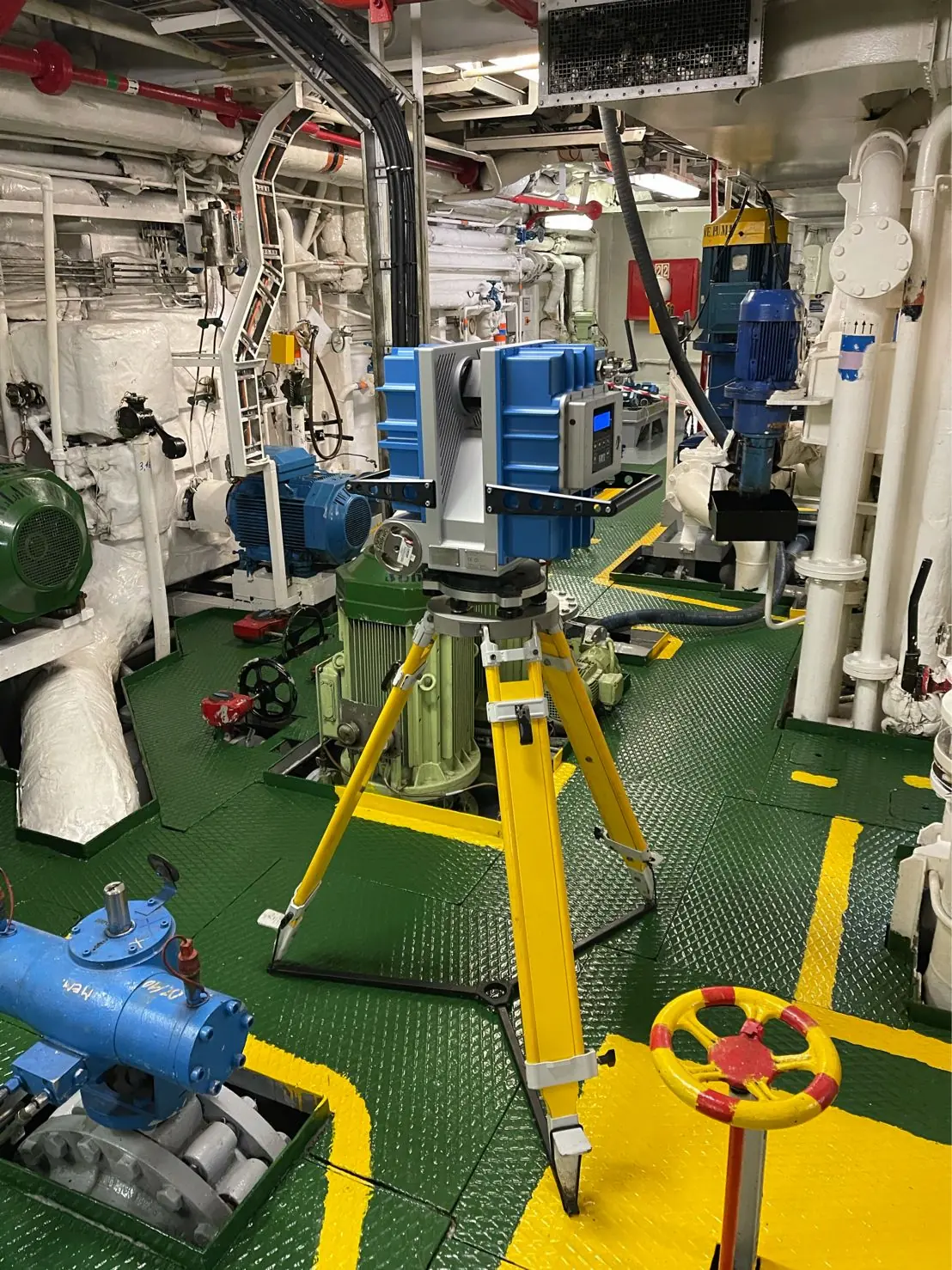
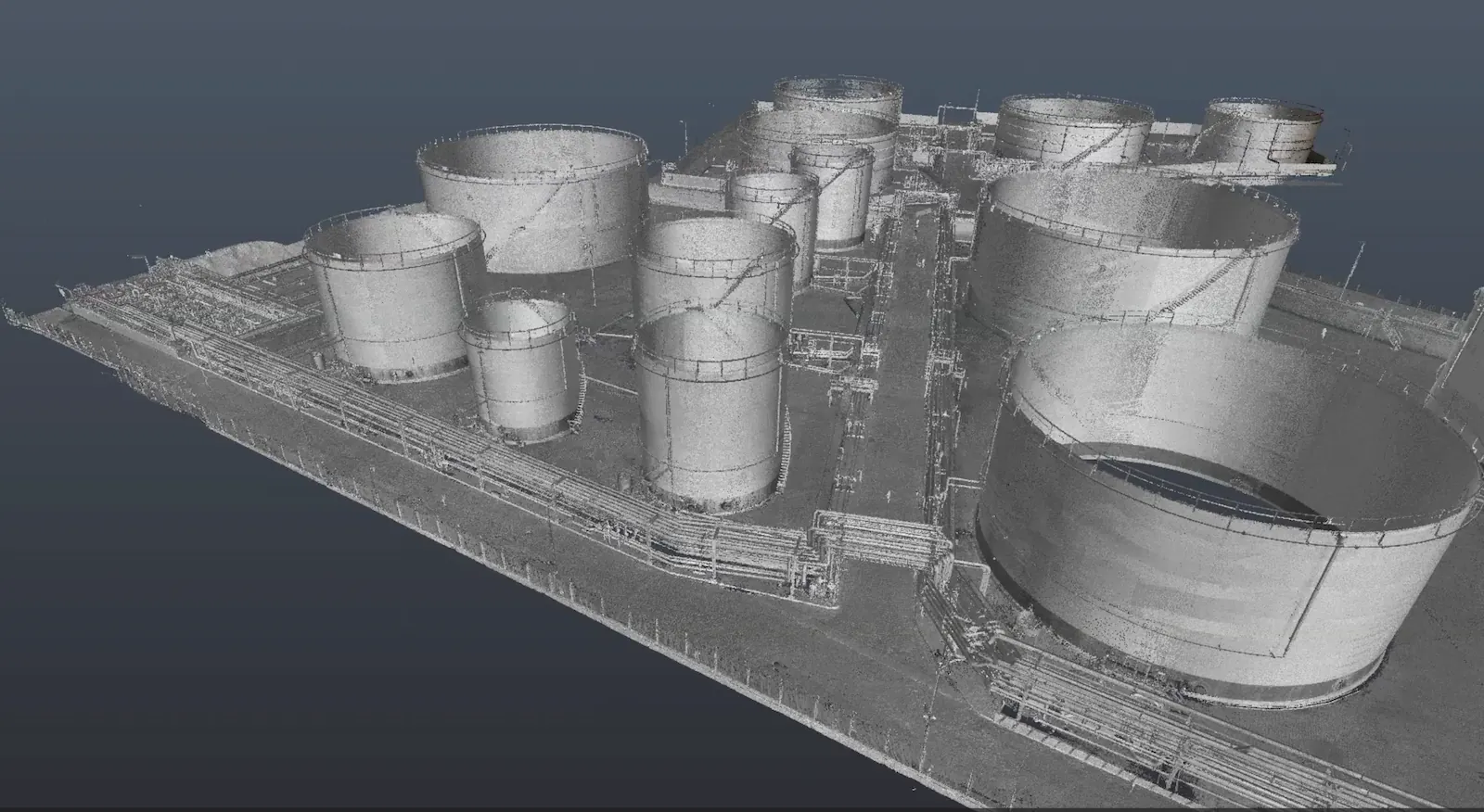
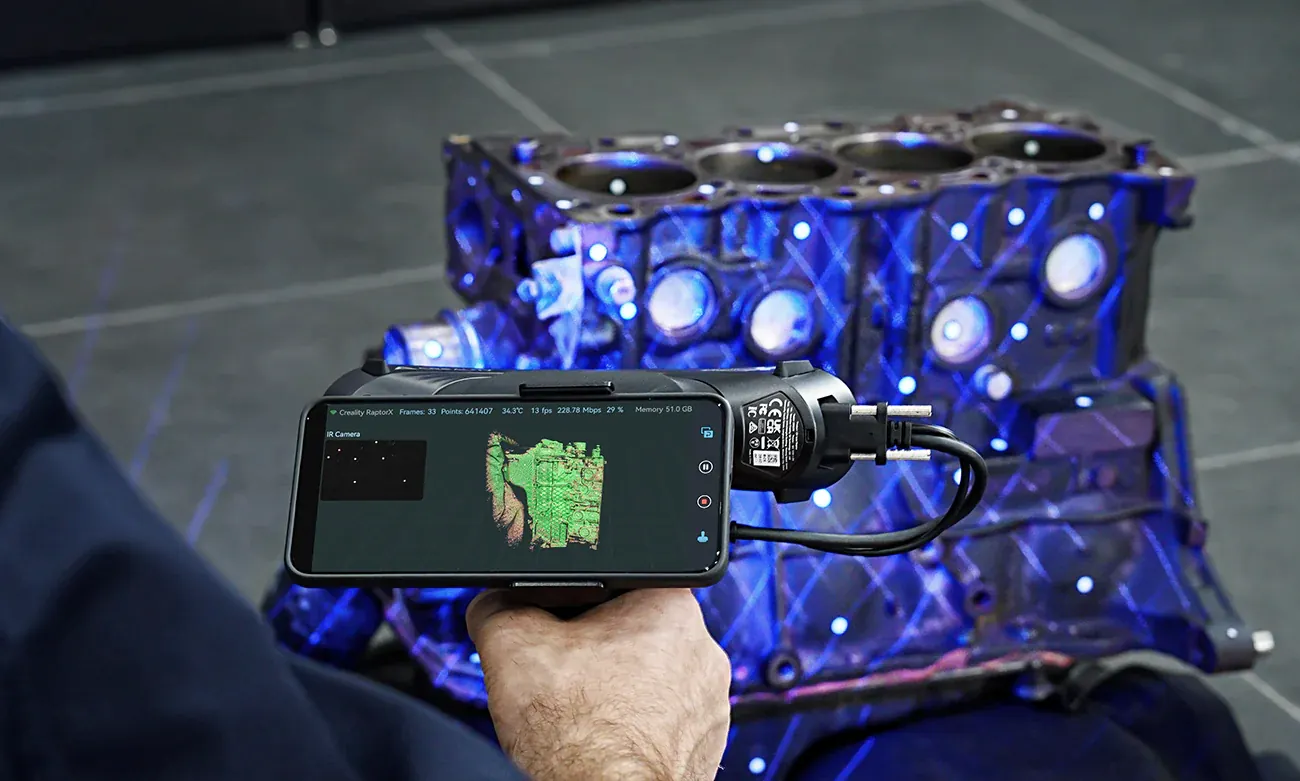
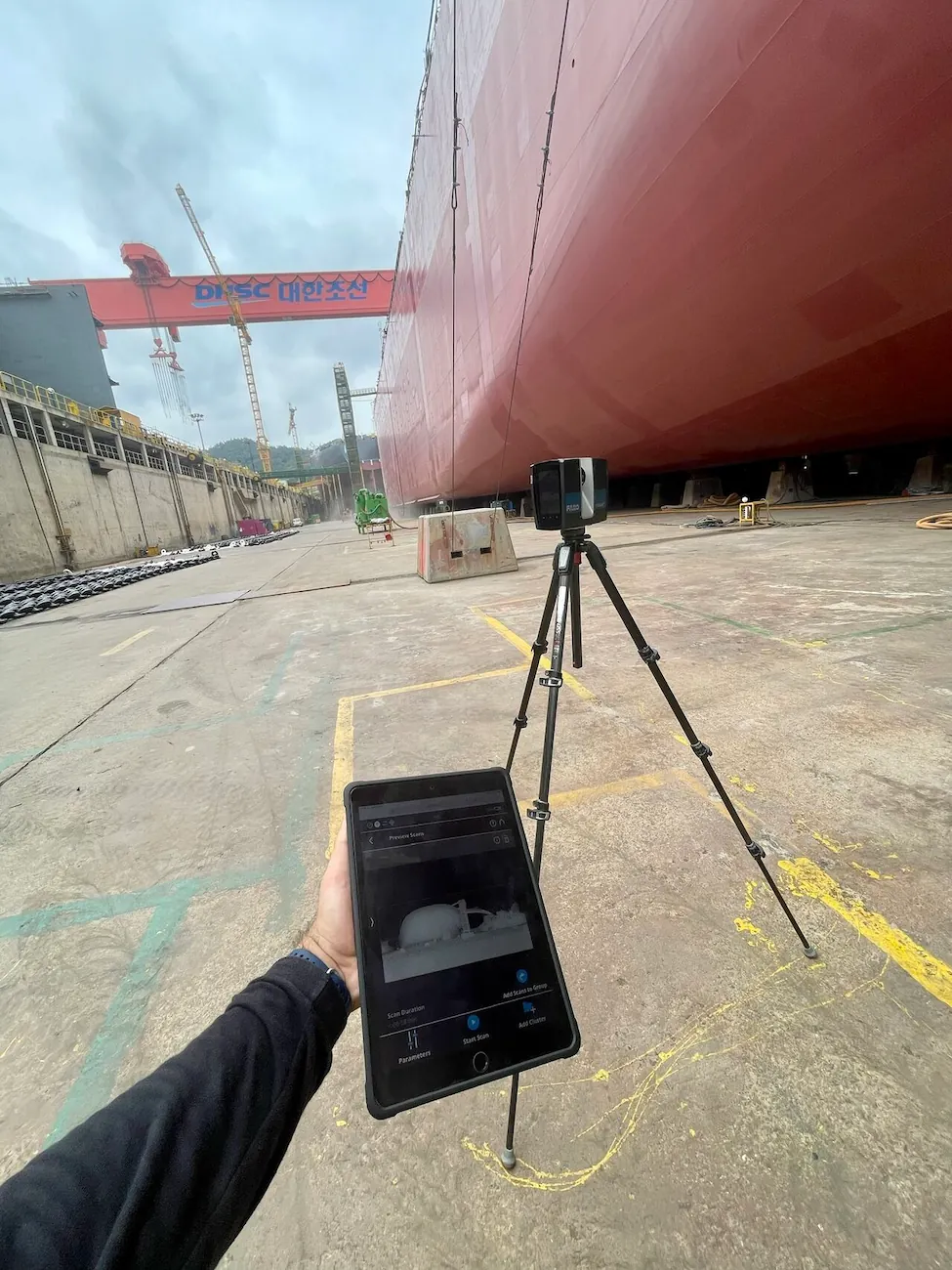
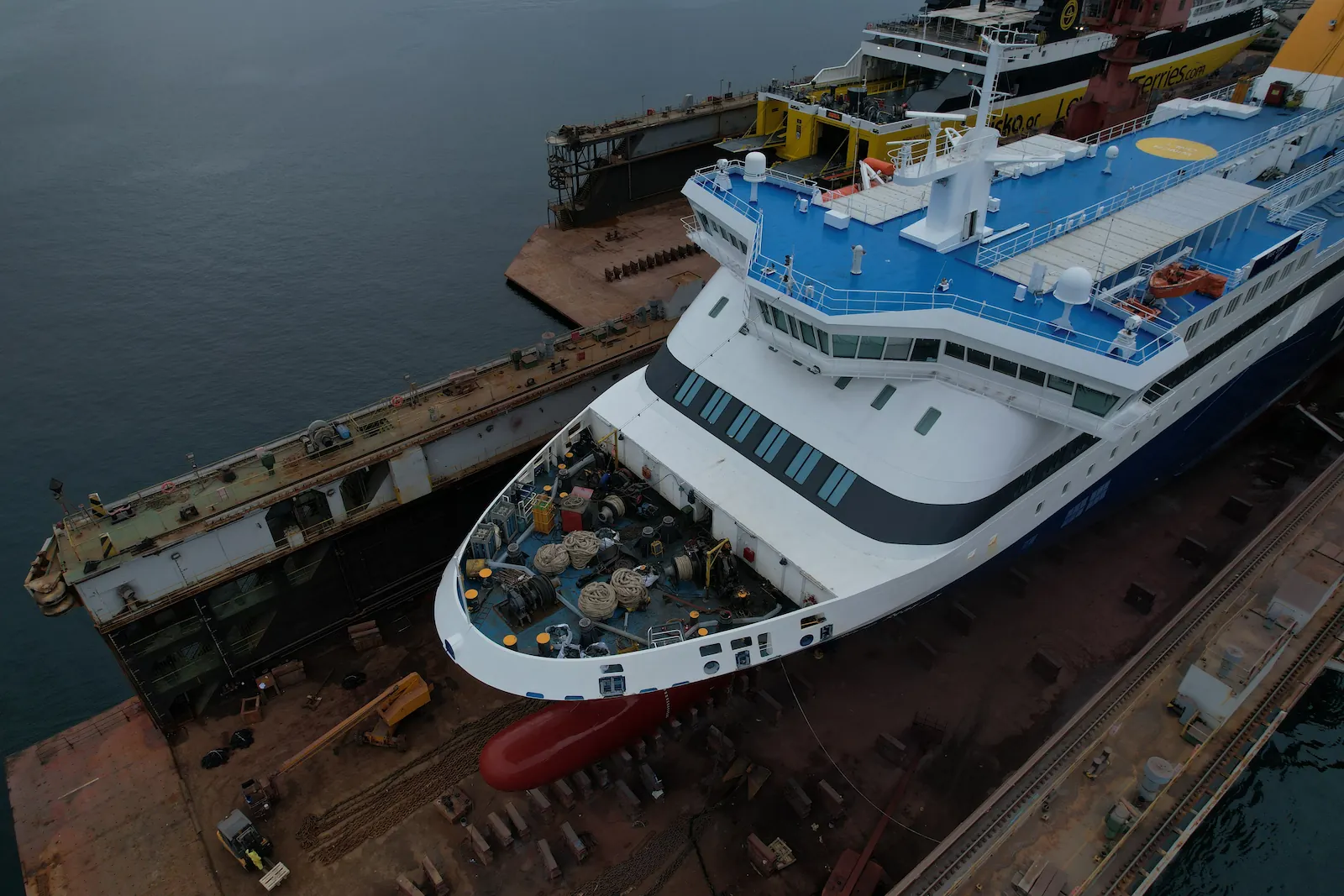
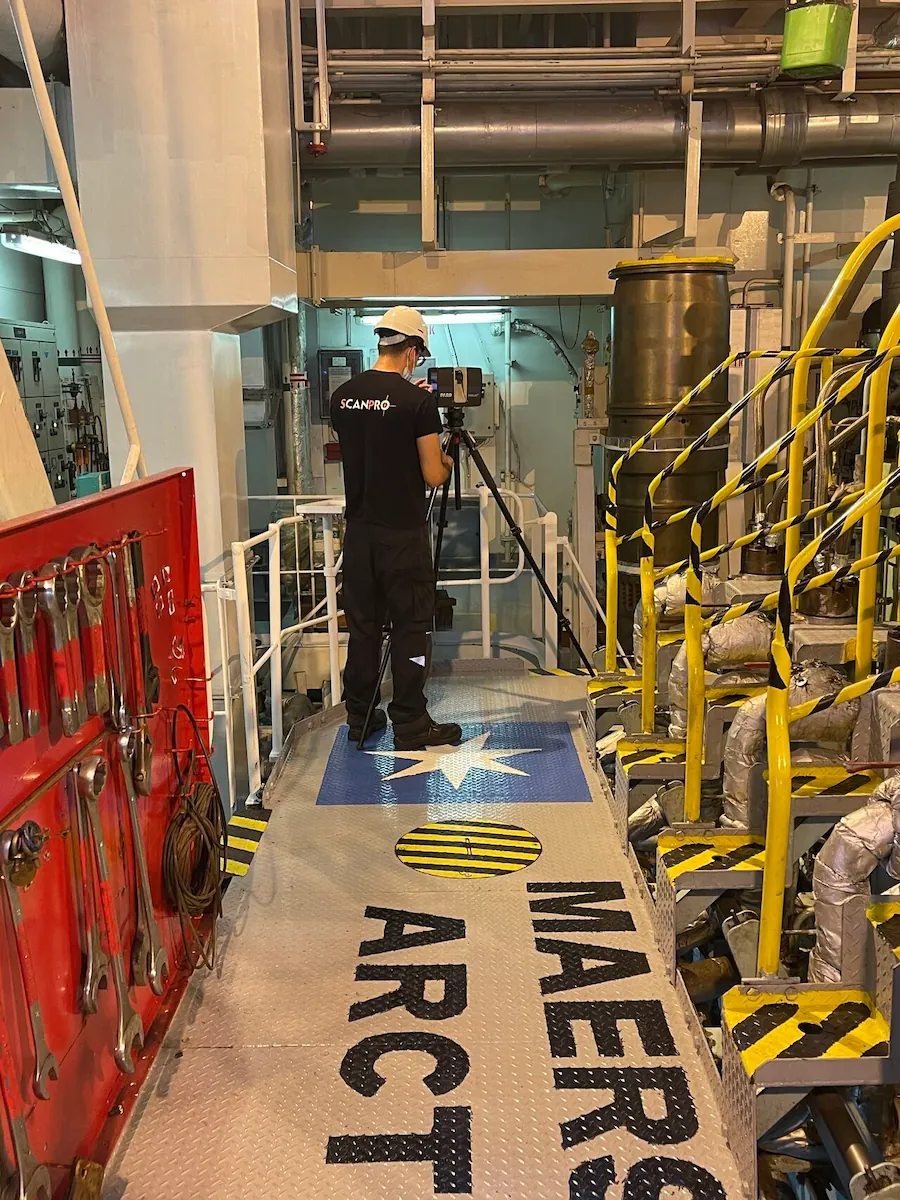
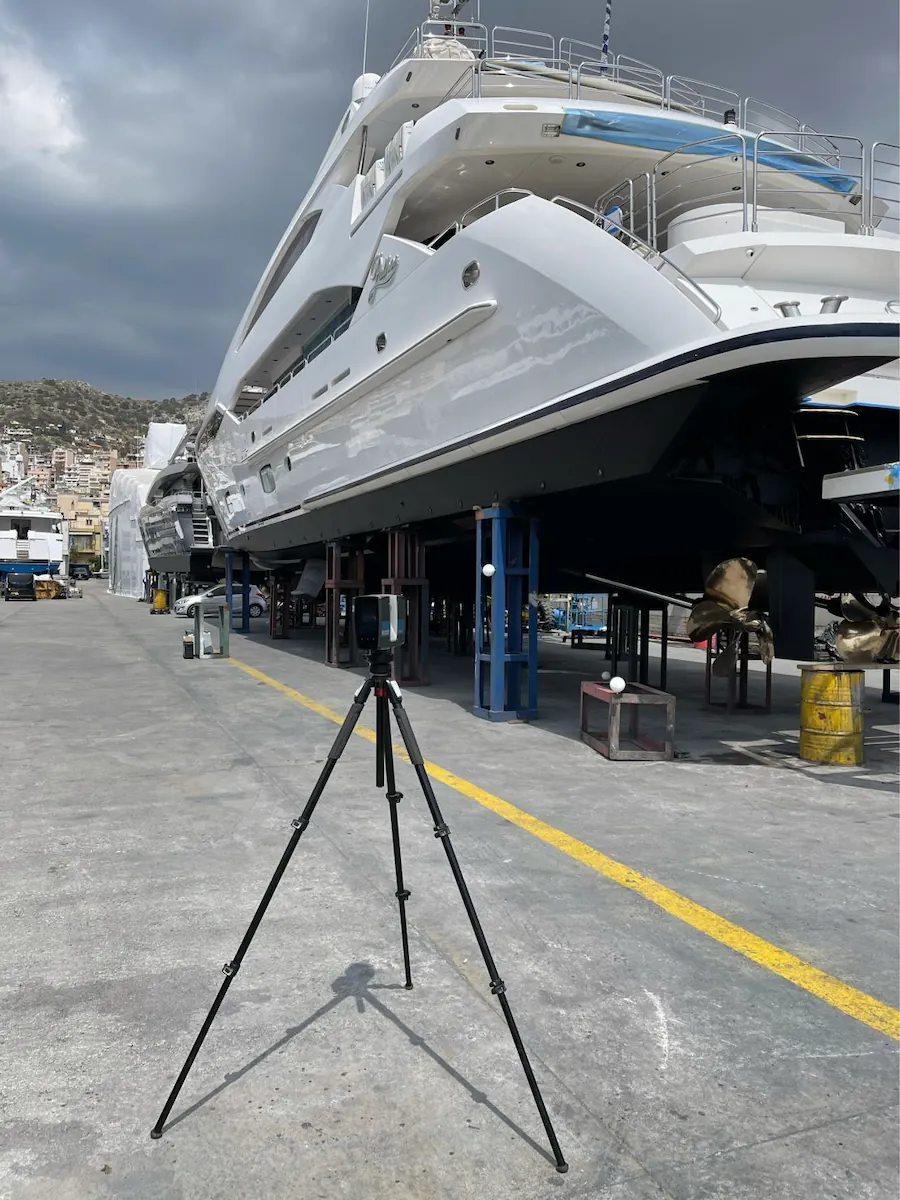
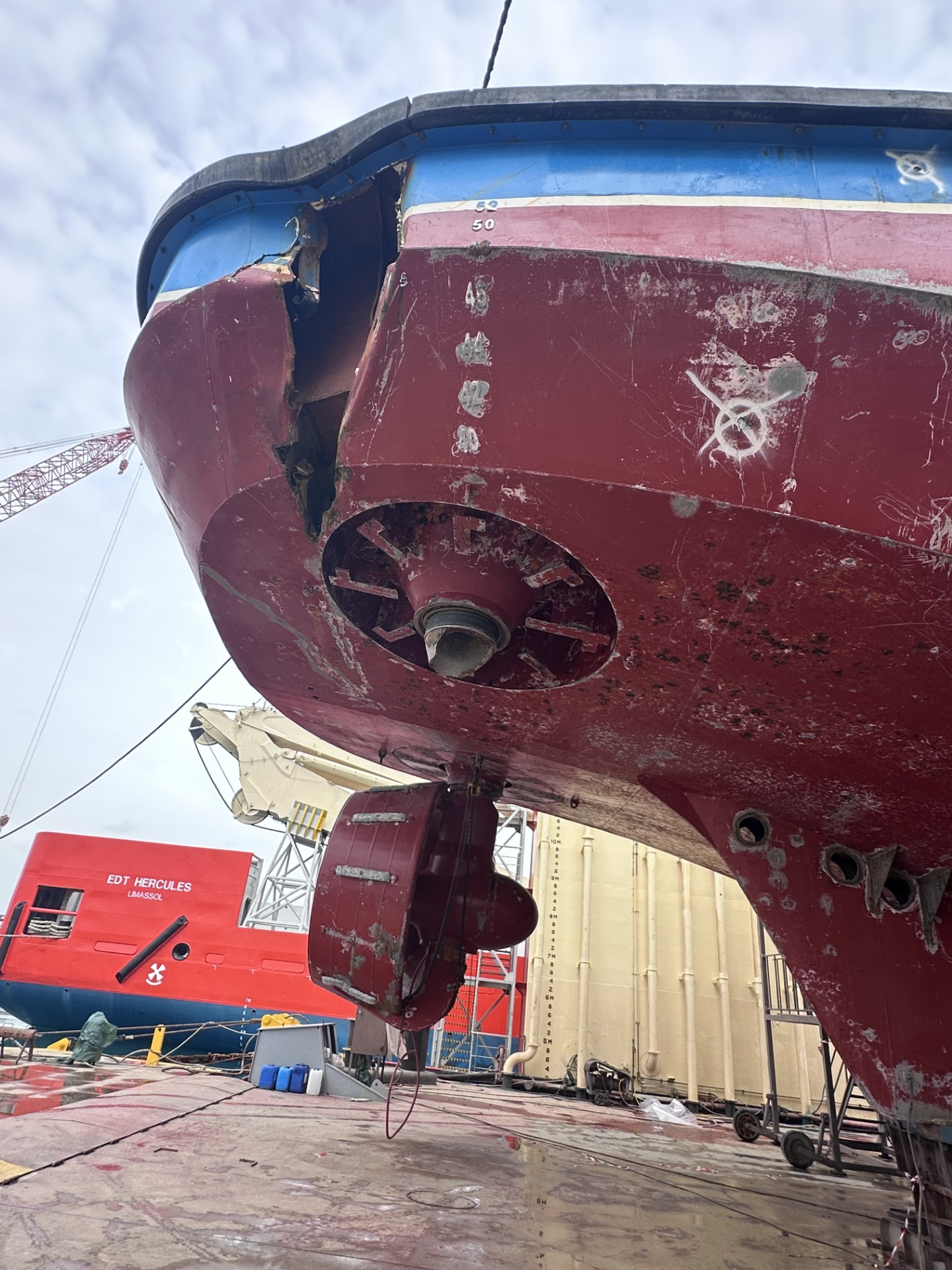
- Performed high-resolution 3D laser scanning of the vessel during dry dock, capturing the full hull form, stern, bow, and propeller.
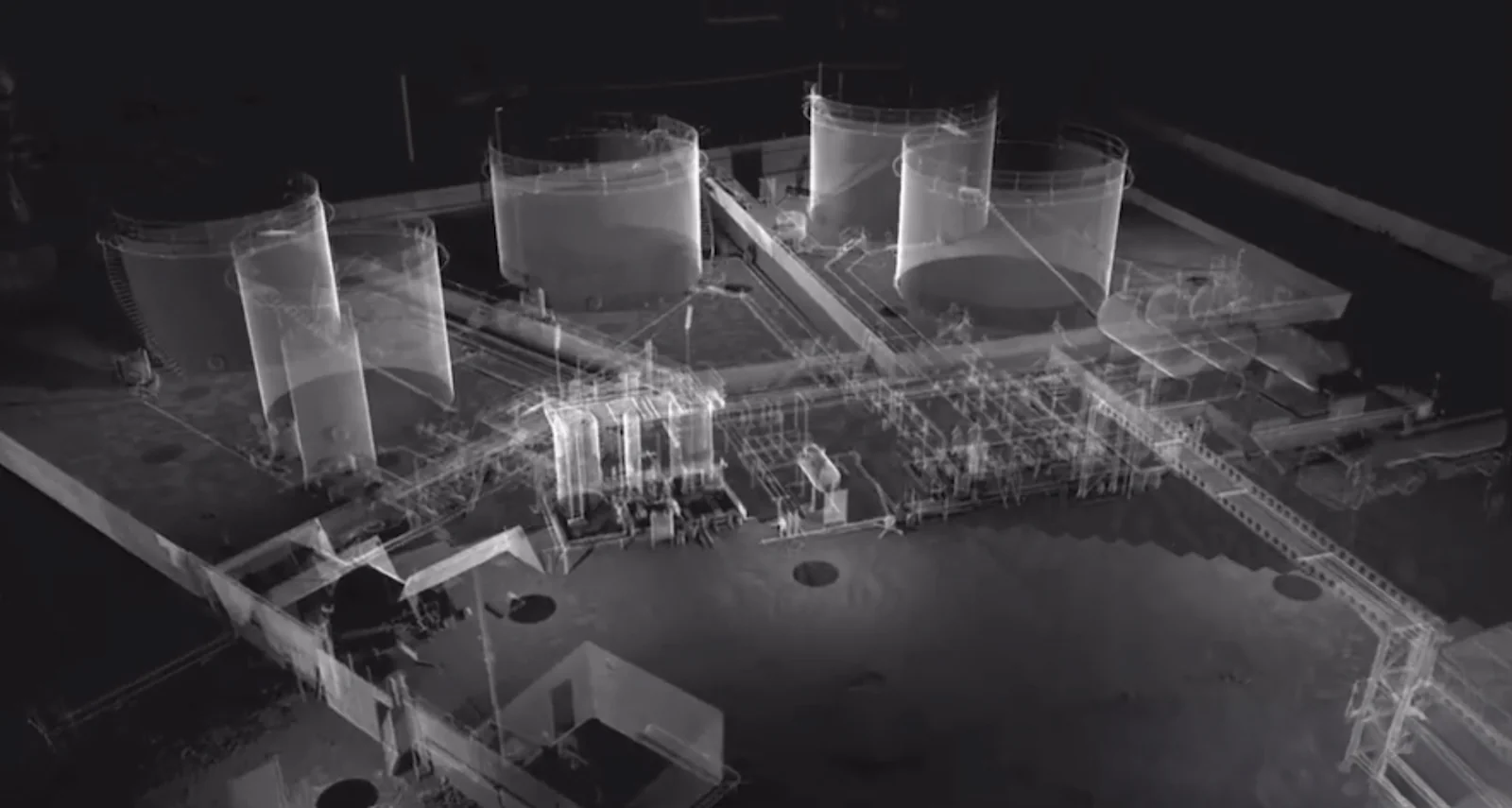
- Processed scan data into cleaned 3D models, suitable for CFD-ready geometry.
- Supplied a hydrodynamic digital twin for advanced analysis:
- Resistance and flow simulation.
- Wake field and propeller interaction studies.
- Energy-saving device design and validation.
- Hull form optimization for new retrofits.
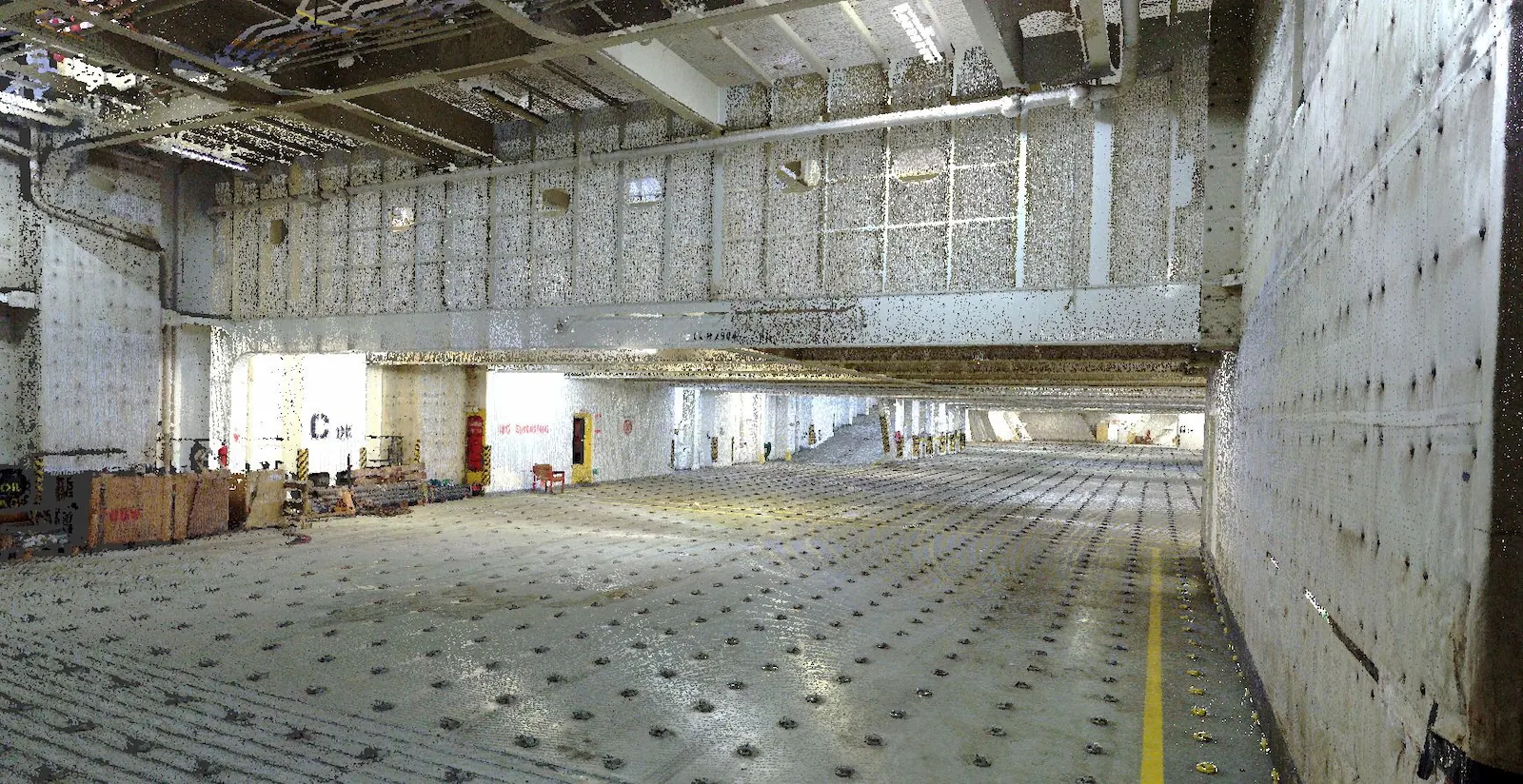
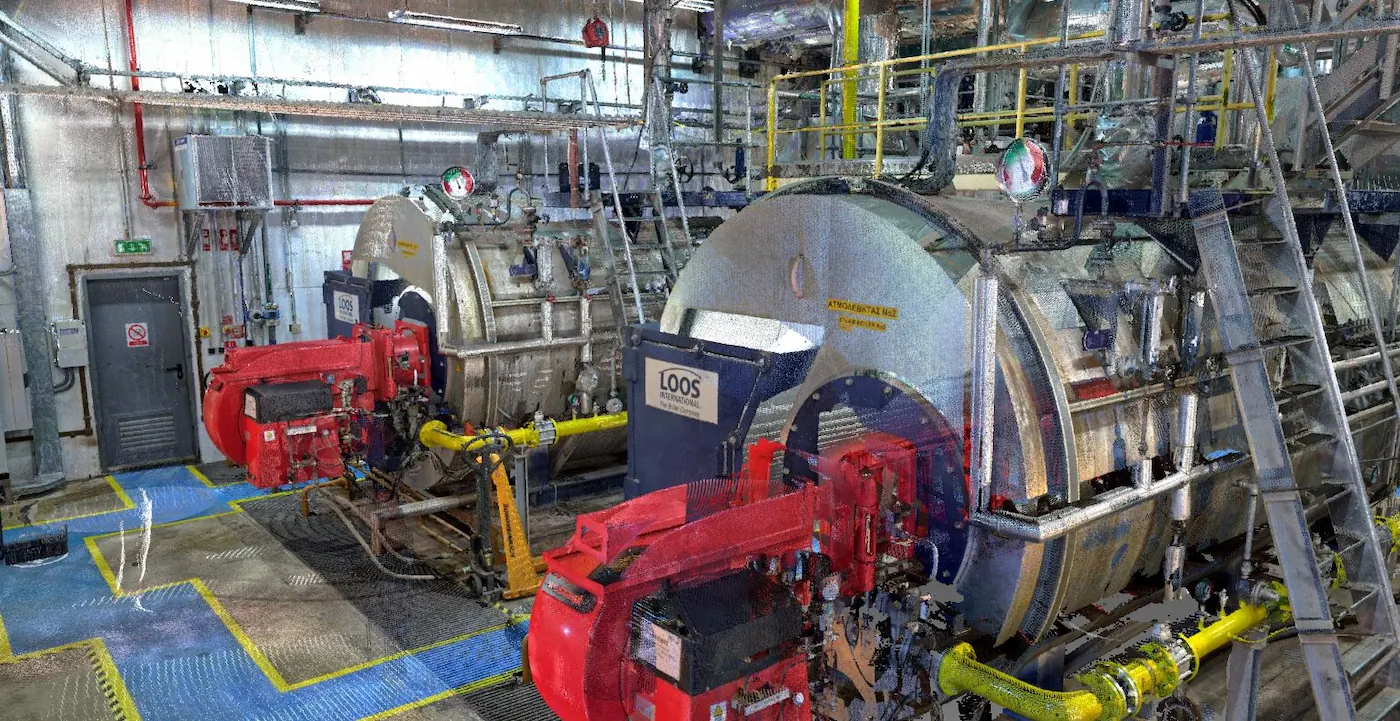
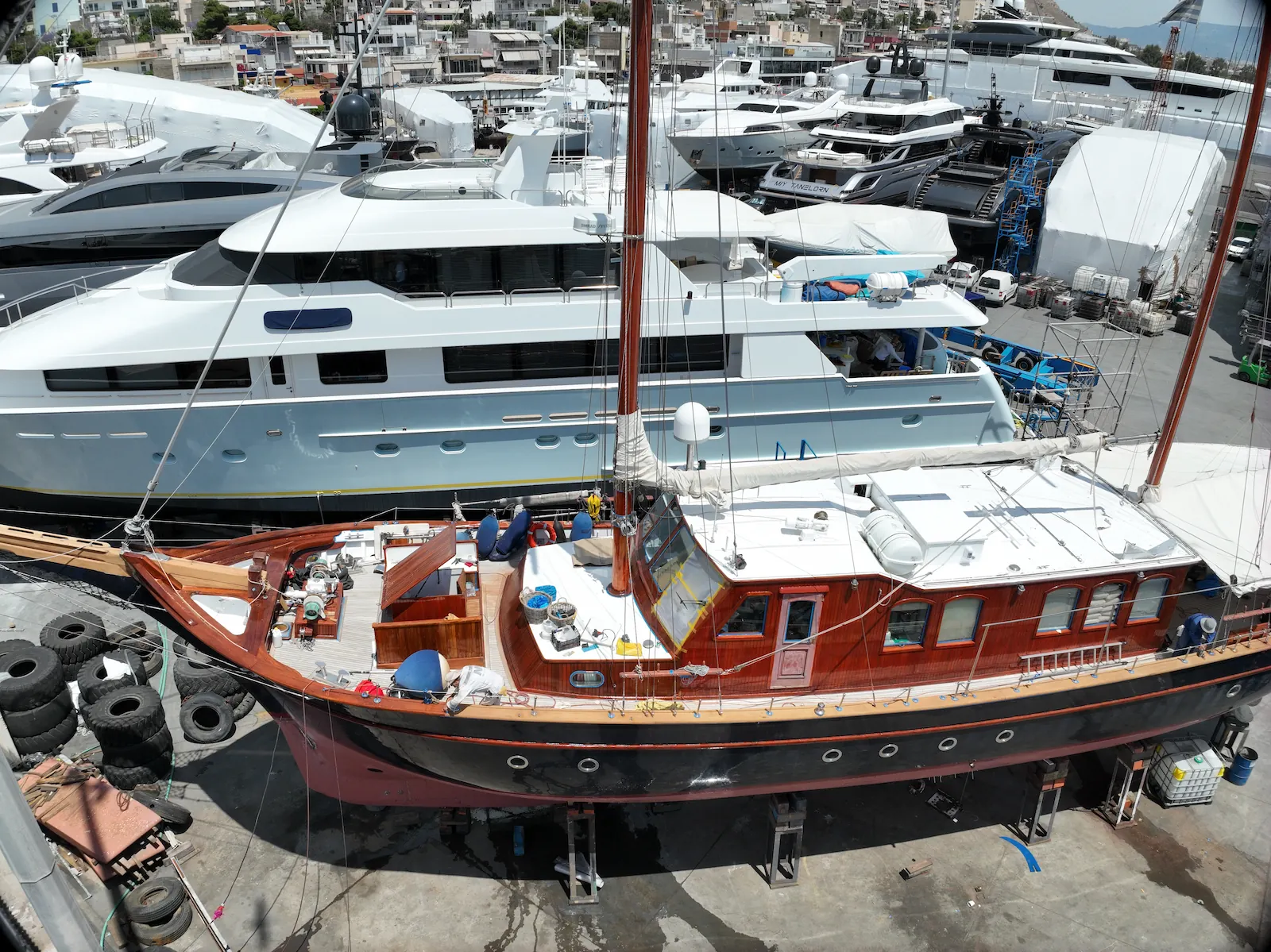
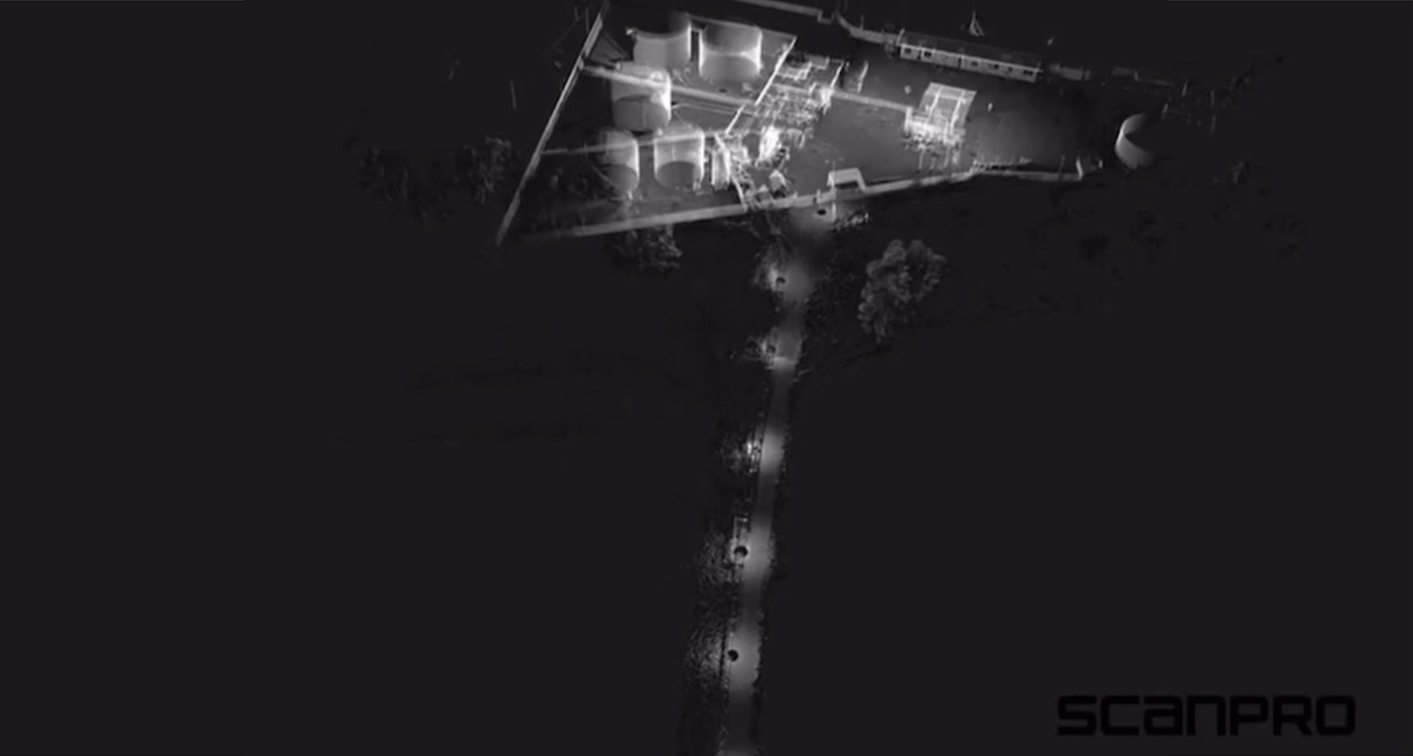
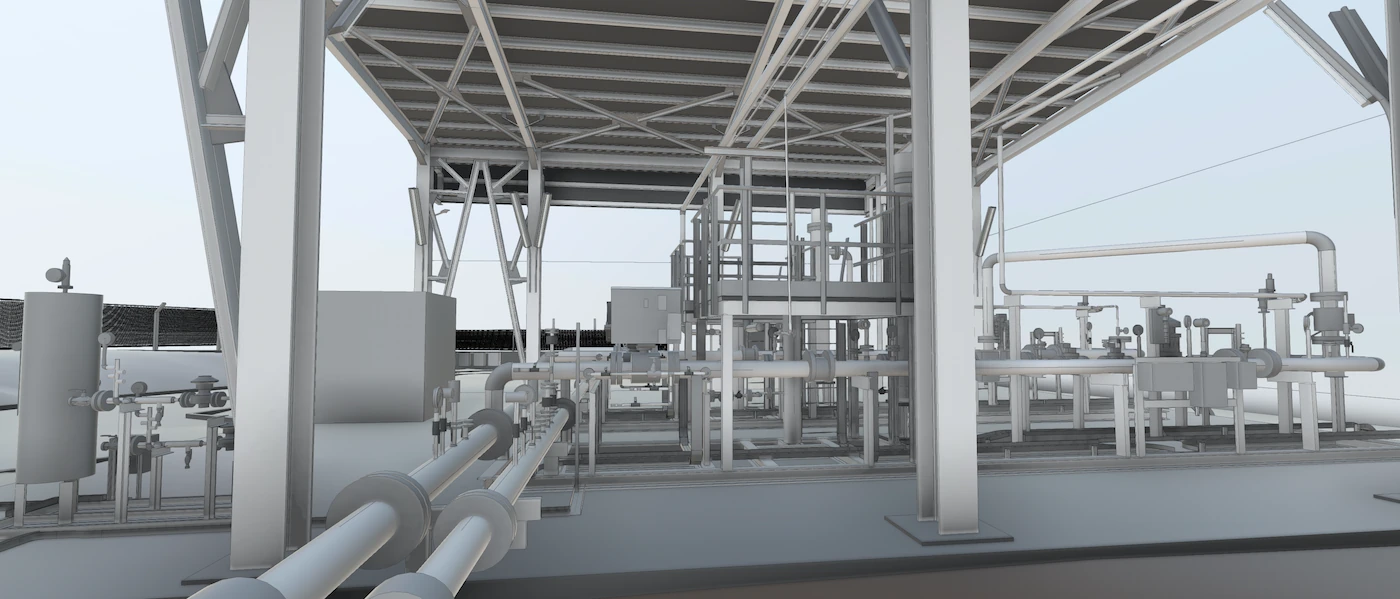
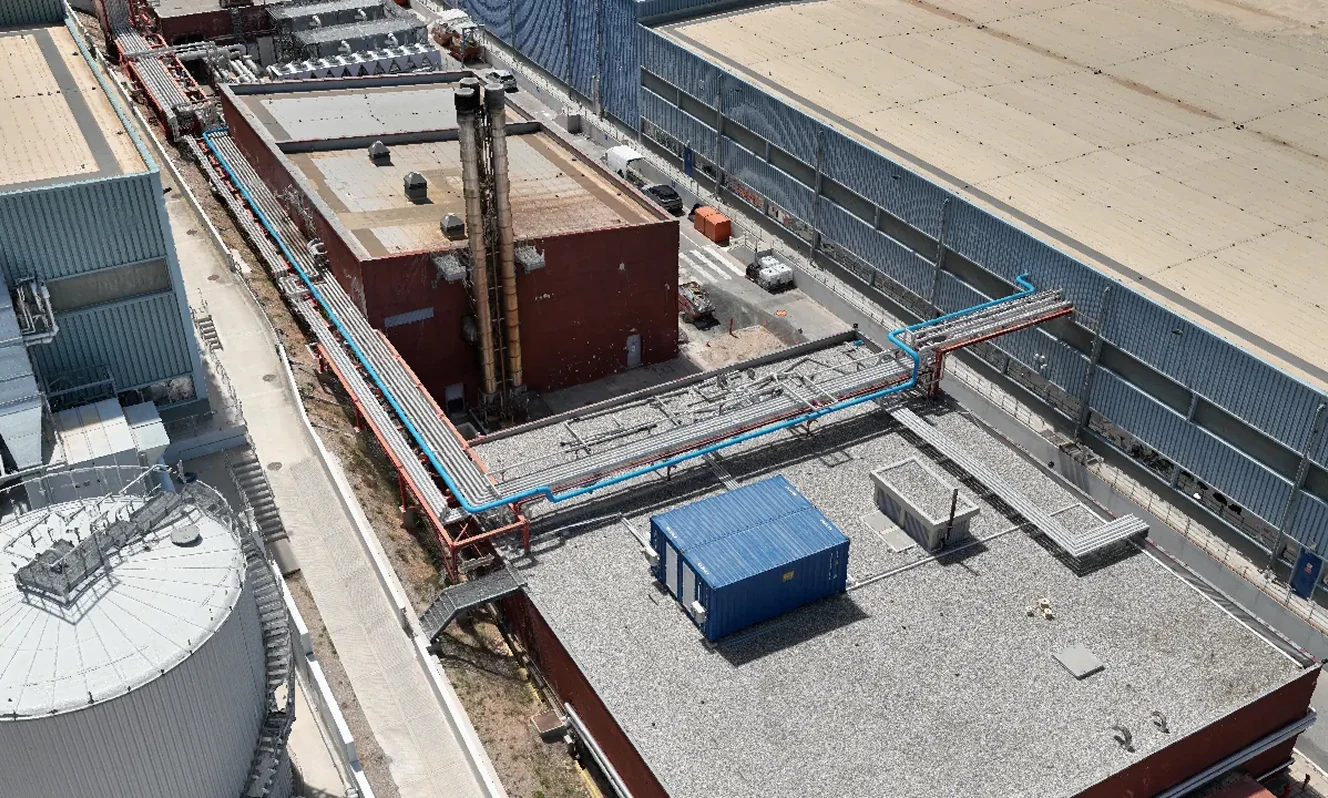
(See images – on-site scanning, hull point cloud, propeller capture, CFD simulation outputs)


The Results
- Accuracy: Millimeter-precise geometry provided unmatched reliability for CFD.
- Efficiency Gains: Allowed engineers to simulate real-world vessel behavior, not approximations.
- Performance Optimization: Supported retrofit designs to reduce fuel consumption and emissions.
- Compliance: CFD-ready models supported IMO EEXI and CII improvement strategies.
Client Value
The digital twin provided by ScanPro became the foundation for accurate CFD analysis, enabling the client to test scenarios virtually, reduce costly physical trials, and implement design improvements with confidence.
Key Takeaway
By combining 3D vessel scanning with CFD, ScanPro bridges the gap between real-world ship geometry and advanced hydrodynamic performance analysis, helping shipowners and yards achieve safer, greener, and more efficient vessels.

Related Case studies